
Concrete Equipment For Sale
All concrete & heavy construction equipment — private sales, auctions, and pre-auction offers
Filters
1Narrow your search
172 listings
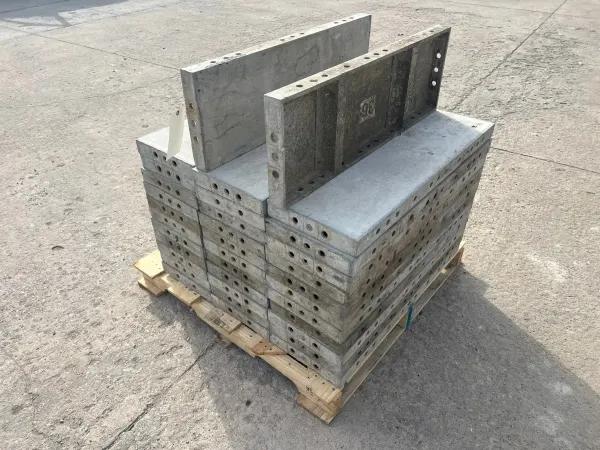
1 ft Cap Smooth Aluminum Concrete Forms
Sold
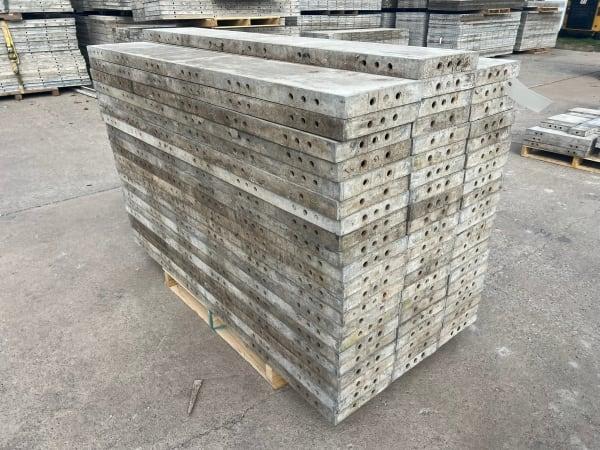
72 in x 1 ft Precise Aluminum Concrete Forms
Sold
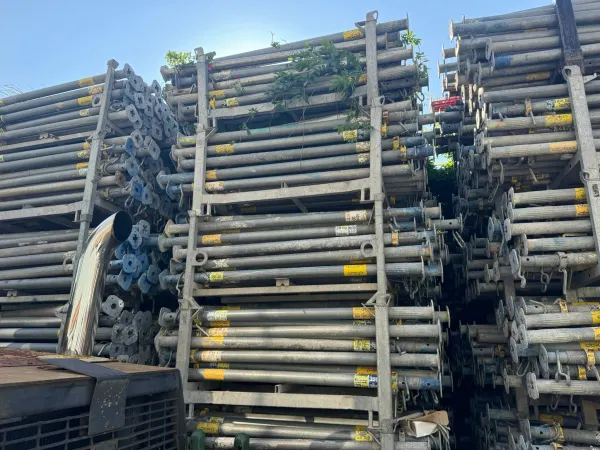
Doka Floor Props Eurex 30 Top 350
Sold
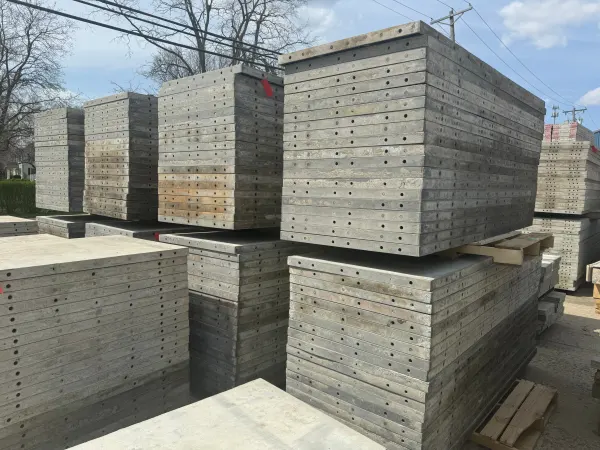
8 ft Set of Smooth Aluminum Concrete Forms
Sold
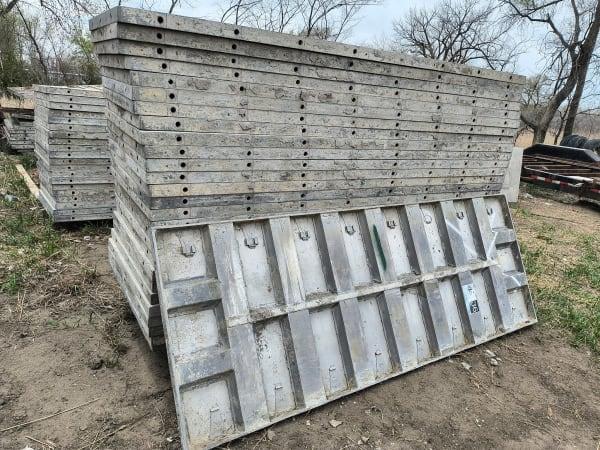
36 in x 8 ft Western Aluminum Concrete Forms
Sold
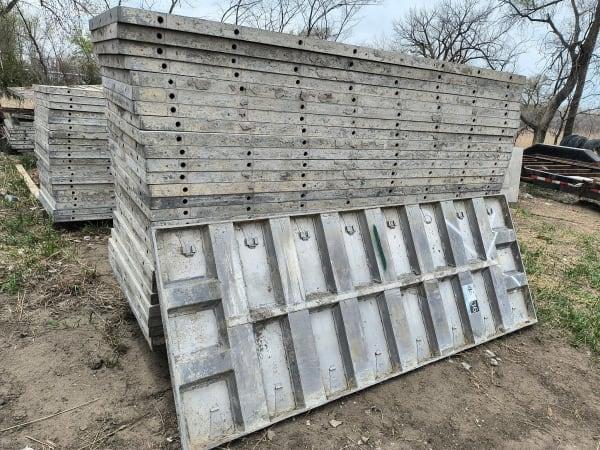
36 in x 8 ft Western Aluminum Concrete Forms
Sold
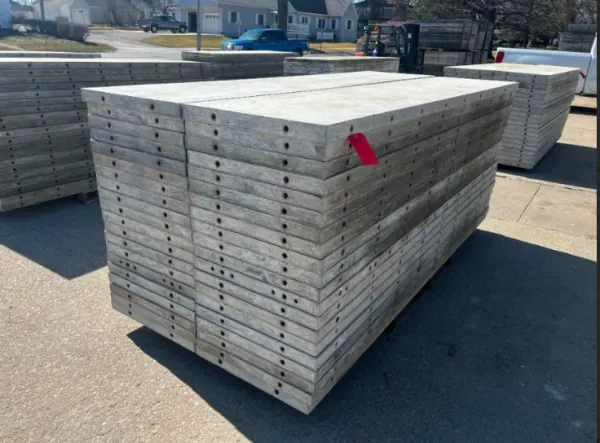
24 in x 9 ft Smooth Aluminum Concrete Forms Laydowns
Sold
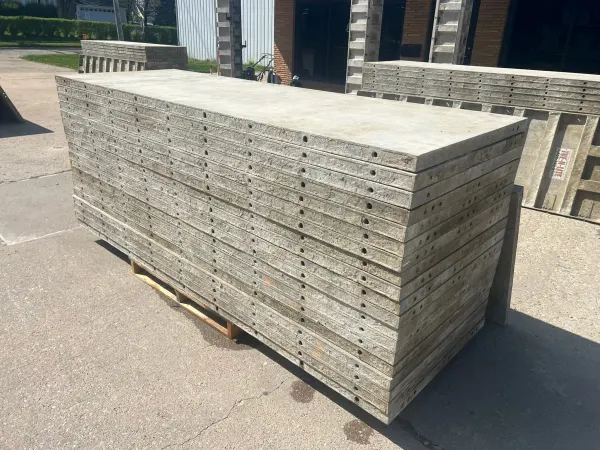
36 in x 9 ft Smooth Aluminum Concrete Forms
Sold
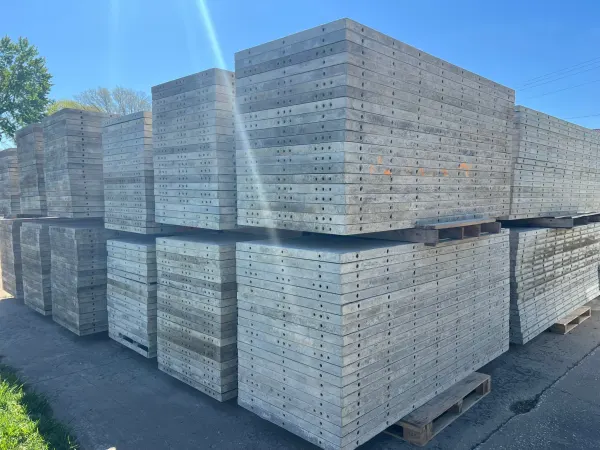
36 in x 8 ft Smooth Aluminum Concrete Forms
Sold
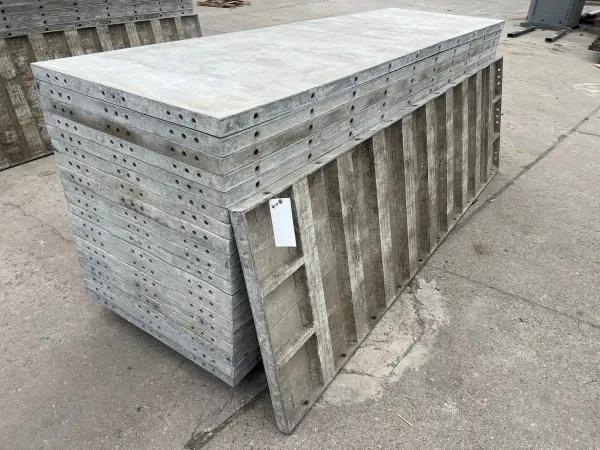
36 in x 10 ft Smooth Aluminum Concrete Forms
Sold
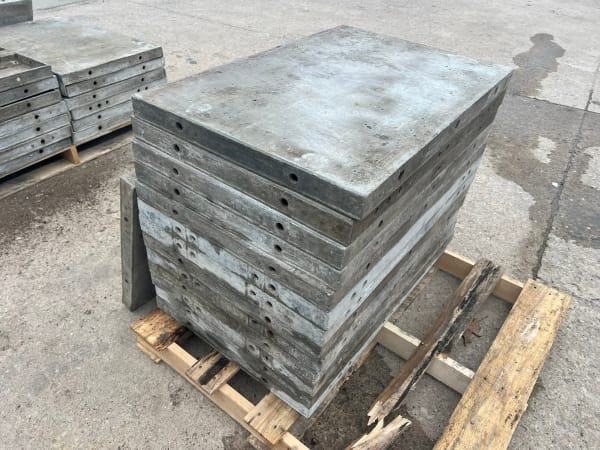
36 in x 2 ft Smooth Aluminum Concrete Forms
Sold
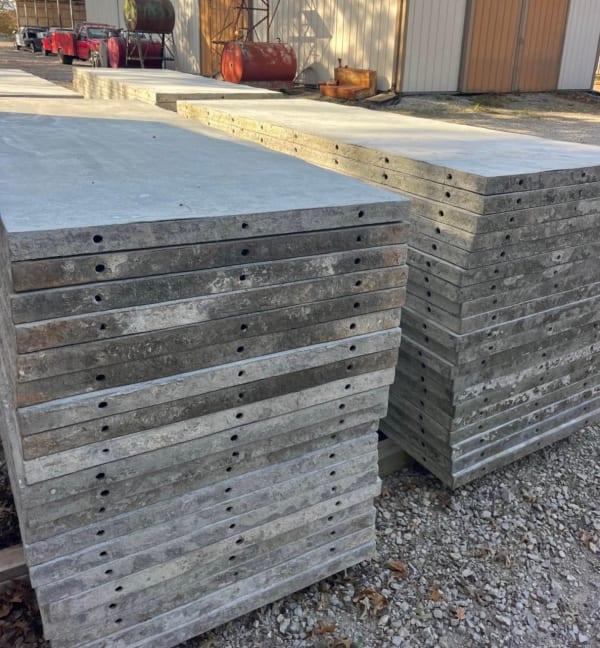
8 ft Set of Western Aluminum Concrete Forms
Sold
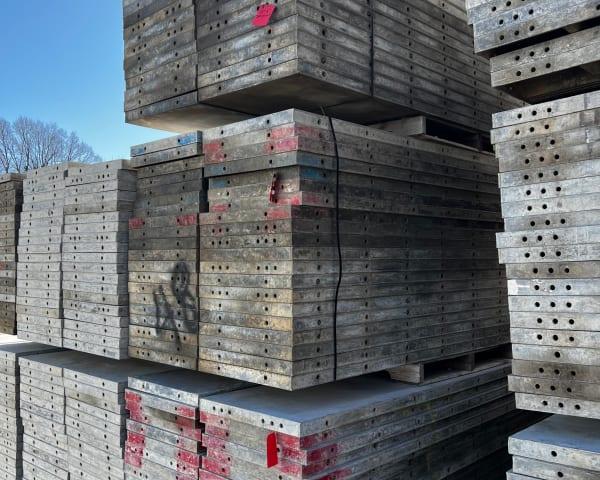
24 in x 9 ft Smooth Aluminum Concrete Forms
Sold
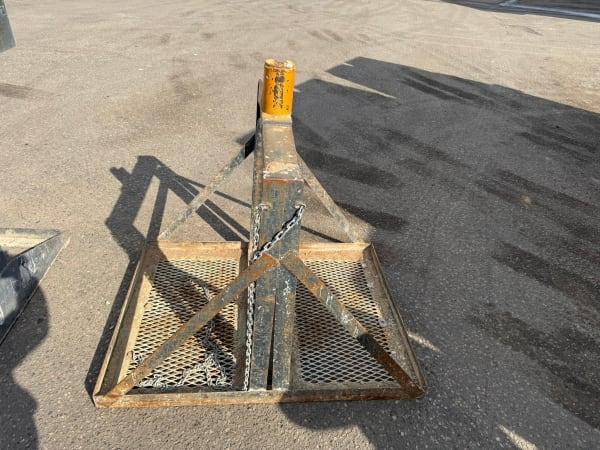
4 ft Baskets for Concrete Forms
Sold
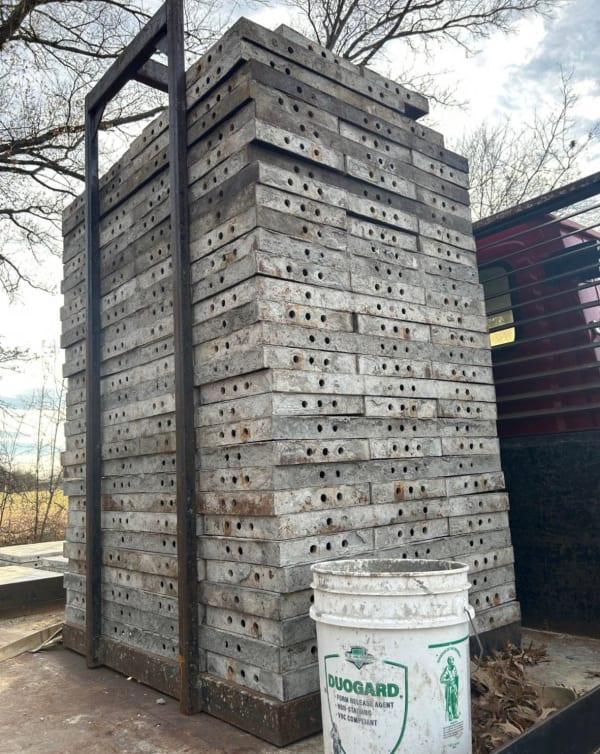
Set of 1 ft Cap Concrete Forms
Sold
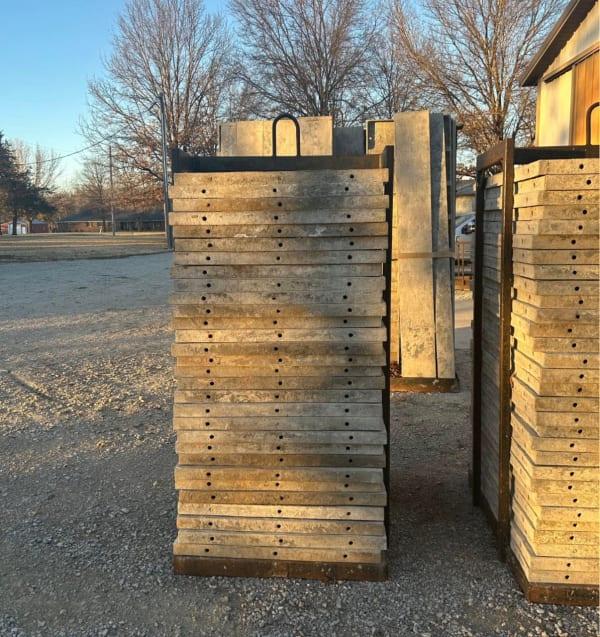
4 ft Set of Smooth Western Aluminum Concrete Forms
Sold
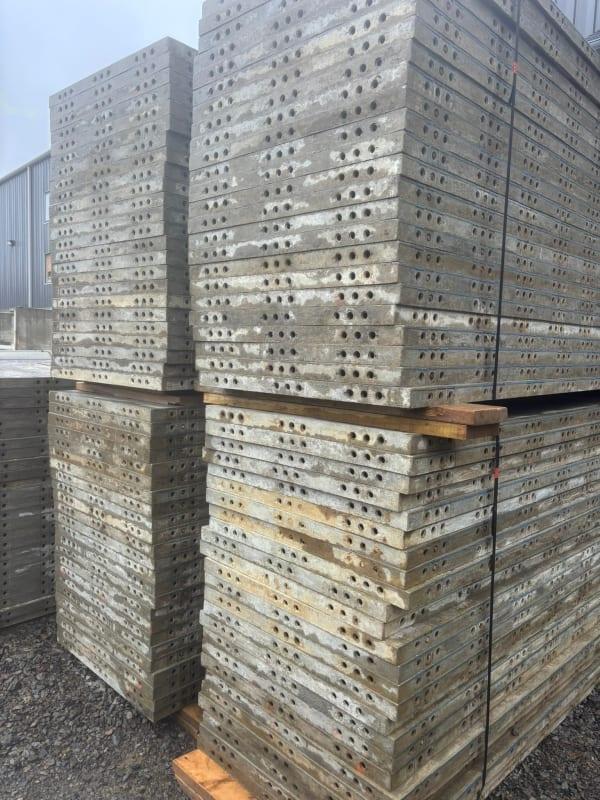
9' Set of Western Elite, Smooth Aluminum Concrete Forms
Sold
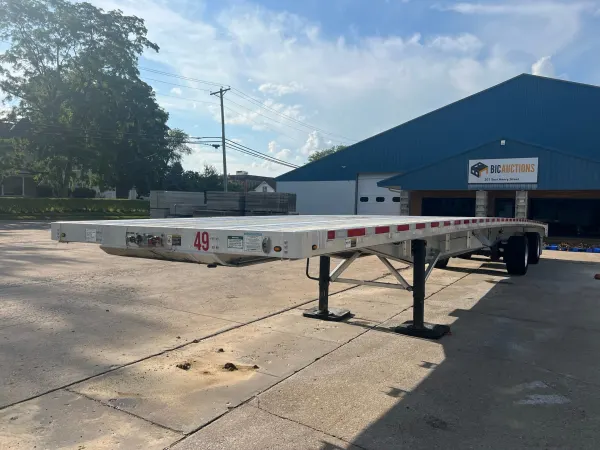
2017 · Wilson
2017 Wilson 53 FT Flatbed Trailer
Sold
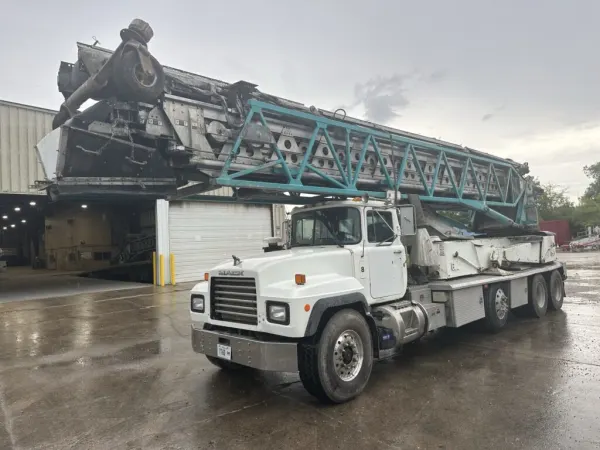
2003 · Putzmeister
2004 Putzmeister TB-105 Telebelt Conveyor On 2003 Mack Truck
Sold
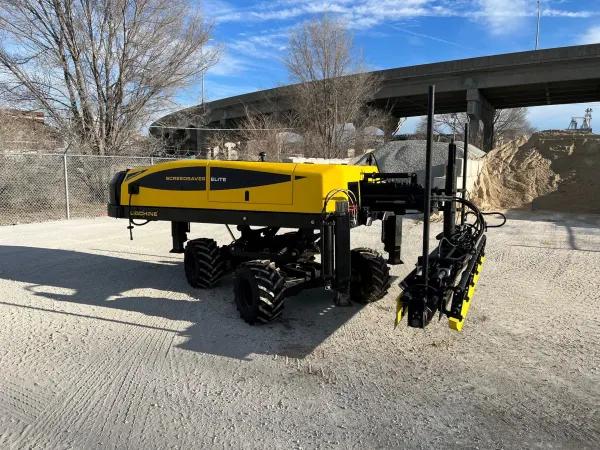
2021 · Ligchine
2021 Ligchine ScreedSaver Elite
Sold
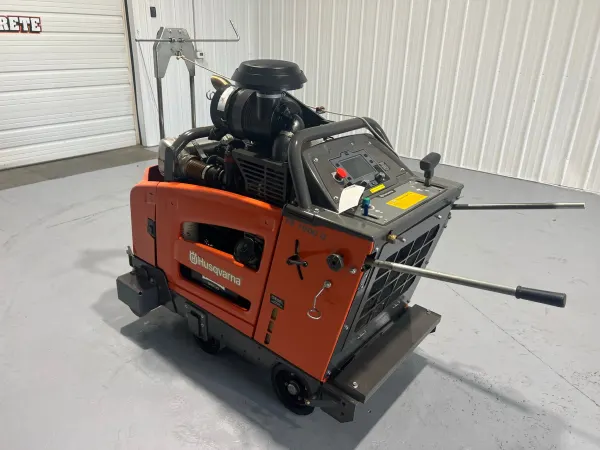
2018 · Husqvarna
Husqvarna FS 7000 D Concrete Saw
Sold
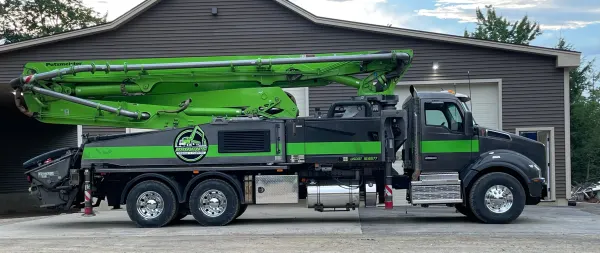
2019 · Putzmeister
2019 Putzmeister 38Z on 2020 Kenworth T880
Sold
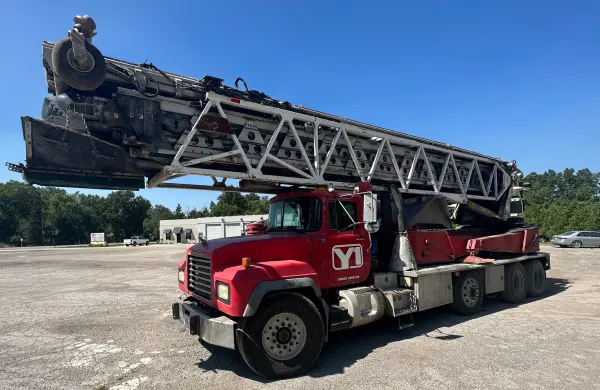
2004 · Putzmeister
2004 Putzmeister TB-105 Telebelt Conveyor On 2004 Mack RB600 Truck
Sold
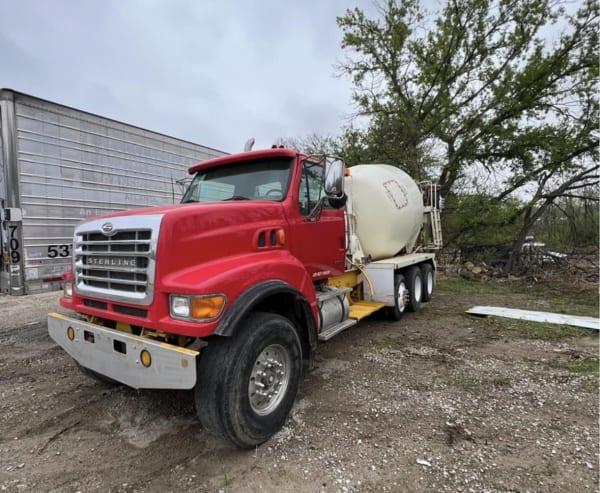
2004 · Sterling
2004 Sterling LT9500 Concrete Mixer Truck
Sold
Concrete Equipment For Sale: Your Expert Buying Guide
When you're investing in concrete equipment, every decision impacts productivity, project timelines, and profitability. Whether you're expanding a ready-mix fleet, upgrading your pumping capability, or sourcing formwork for a commercial build, buying the right equipment at the right price determines your competitive advantage.
At BIC Auctions (Best In Concrete), we specialize exclusively in concrete construction equipment. With over 35 years of industry experience and $100M+ in assets sold, we connect contractors, fleet owners, and producers with high-quality used concrete equipment through auctions, brokered sales, and private treaty transactions across the United States.
If you're searching for concrete equipment for sale, this guide provides the technical insight and market intelligence you need to make informed purchasing decisions.
What Concrete Equipment is Currently Available For Sale?
The concrete industry requires highly specialized equipment. Unlike general construction marketplaces, BIC focuses exclusively on the machinery that keeps concrete operations productive and profitable.
Concrete Pumps
Concrete pumps are mission-critical for high-volume placement, vertical pours, and projects requiring precise delivery over distance or elevation.
Common Types:
- Boom Pumps (32m–61m reach) – Truck-mounted systems for residential, commercial and high-rise construction
- Line Pumps – Trailer-mounted units for residential foundations and flatwork
- Placing Booms – Stationary boom systems for precast and commercial high-rise buildings
- Stationary Pumps – High-pressure units for tunnel work and industrial applications
Leading Brands:
- Putzmeister (known for boom reliability and hydraulic engineering)
- Schwing (recognized for wear part longevity and resale value)
- Alliance Concrete Pumps (strong North American service network)
- KCP (emerging player with competitive pricing)
Critical Inspection Points:
| Component | What to Check | Why It Matters |
|---|---|---|
| Boom Structure | Weld integrity, stress cracks, section alignment | Structural failure = catastrophic loss |
| Hydraulic System | Pressure consistency (2,800-3,200 PSI typical), leak-free operation | Weak pressure indicates wear part failure |
| S-Tube & Wear Plates | Thickness measurement, cracking | These are $5K-$15K replacement items |
| Pump Hours vs Engine Hours | Ratio should be logical (pump hours ≤ engine hours) | Discrepancy suggests odometer tampering |
| Slump Pressure Capacity | Verify manufacturer rating (typically 500-1,000 PSI) | Determines concrete mix compatibility |
The concrete industry requires highly specialized equipment. Unlike general construction marketplaces, BIC focuses exclusively on the machinery that keeps concrete operations productive and profitable.
Concrete Mixer Trucks
Transit mixers transport and maintain concrete workability from batch plant to placement site. The drum's agitation prevents segregation and maintains slump specifications.
Common Configurations:
- Rear Discharge Transit Mixers (8-12 cubic yard capacity) – Industry standard for ready-mix delivery
- Front Discharge Mixers – Precision placement for urban jobsites with limited access
- Volumetric Mixers – Mobile batching for remote locations
- Self-Loading Mixers – Combined loading and mixing for small-batch operations
Chassis Brands That Hold Value:
Concrete mixer trucks experience extreme frame stress, brake wear, and suspension loading. Not all truck chassis are engineered equally for this application.
- Mack Trucks – Heavy-duty frame torque rating, proven durability in aggregate hauling
- Peterbilt – Strong dealer network, good parts availability across North America
- Kenworth – Excellent resale value, preferred by large ready-mix fleets
- Western Star – Gaining market share, competitive pricing on used units
Key Inspection Areas:
| Component | Inspection Focus | Typical Replacement Cost |
|---|---|---|
| Drum Thickness | Measure at 12, 3, 6, 9 o'clock positions | $8K-$15K for remanufactured drum |
| Blade Wear | Check for uneven wear, missing segments | $2K-$5K per set |
| PTO & Hydraulic Pump | Verify engagement, listen for grinding | $3K-$8K repair |
| Frame Stress Cracks | Inspect rail welds, crossmember connections | Major structural concern |
| Suspension & Brakes | Concrete residue accelerates corrosion | Safety-critical system |
Concrete Formwork & Shoring Systems
Formwork represents significant capital investment. Unlike equipment that depreciates rapidly, quality formwork systems maintain 60-70% resale value when properly maintained.
We Frequently Sell:
| Equipment Type | Primary Use | Top Manufacturers | Typical Resale Value |
|---|---|---|---|
| Aluminum Handset Forms | Residential foundations, walls | Western, Precise, Wall-Ties | 50-60% of new |
| Gang Forms | Commercial tilt-wall, large foundations | Symons, Doka, PERI | 60-70% of new |
| Tilt-Wall Forms | Commercial building construction | Custom fabricators | Highly project-specific |
| Shoring Towers | Bridge decks, elevated slabs | Aluma Systems, PERI | 55-65% of new |
| Deck Systems | High-rise floor forming | Doka, PERI, RMD | 60-70% of new |
Why Formwork Holds Value:
- Reusable across hundreds of pours
- Interchangeable hardware systems
- Lower obsolescence risk vs. powered equipment
- Rental demand provides alternative revenue stream
Additional Concrete Equipment Categories
Finishing Equipment:
- Laser screeds (Somero, MBW)
- Power trowels (Allen Engineering, Bartell)
- Concrete vibrators (Wacker Neuson, Oztec)
- Bull floats and hand tools
Batching & Mixing Plants:
- Stationary batch plants (25-200 cubic yard/hour capacity)
- Portable/modular plants
- Silo systems and aggregate bins
Batching & Mixing Plants:
- Conveyor belts and telescoping belts
- Concrete buggies (power and manual)
- Telebelts for long-distance placement
How Do I Choose the Right Concrete Equipment For My Business?
Selecting equipment requires balancing project demands, budget constraints, and long-term operational costs.
For Startups & New Contractors
Startup Pro-Tip: Begin with versatile, proven equipment from established brands. A 5-7 year old Schwing or Putzmeister boom pump with documented maintenance provides better reliability and resale security than a budget-brand new unit. Prioritize low-hour, fleet-maintained equipment over "bargain" purchases requiring immediate repair.
Strategic First Purchases:
- One reliable mixer truck – Establishes delivery capacity
- Rental relationships for pumps – Minimizes capital outlay during growth phase
- Owned formwork – Highest ROI for contractors doing repeat work
For Established Operations
Expansion Considerations:
- Fleet standardization – Simplifies parts inventory and technician training
- Age/utilization balance – Target 40% owned assets under 5 years old
- Regional serviceability – Verify dealer support within 150 miles
- Financing leverage – Strong-brand equipment qualifies for better lending terms
Key Inspection Areas:
Formwork represents significant capital investment. Unlike equipment that depreciates rapidly, quality formwork systems maintain 60-70% resale value when properly maintained.
New vs. Used: The Strategic Lead-Time Comparison
| Factor | New Equipment | Used Equipment (BIC) |
|---|---|---|
| Lead Time | 6-18 months (factory backlog) | Immediate to 30 days |
| Depreciation | 20-30% first year | Already depreciated |
| Customization | Full spec control | As-is or minor modifications |
| Warranty | Manufacturer-backed | As-is or dealer limited |
| Proven Performance | Unknown | Documented operating history |
| Capital Requirement | Higher down payment | Lower entry cost, faster ROI |
Market Reality (2024): Major manufacturers face persistent supply chain delays. Contractors waiting 12+ months for new boom pumps routinely purchase 3–5-year-old units through BIC to maintain project schedules.
What is the Expected Resale Value of Used Concrete Equipment?
The resale value of used concrete equipment typically retains 40-60% of original MSRP after 5 years, depending on brand, maintenance history, and utilization intensity.
Factors Influencing Value:
1. Brand Reputation
- Putzmeister & Schwing pumps: 50-60% at 5 years
- Lesser-known brands: 30-40% at 5 years
- Mack/Peterbilt chassis: +10-15% premium vs. generic brands
2. Maintenance Documentation
- Fleet-maintained equipment: +15-25% premium
- Dealer service records: +10-15% premium
- No records: Market discount
3. Hours & Utilization
- Under 3,000 pump hours: Excellent
- 3,000-6,000 hours: Good (typical for 5-7 years)
- 6,000-10,000 hours: Fair (price accordingly)
- Over 10,000 hours: Requires major component replacement
4. Regional Demand
- High-growth markets (Texas, Southeast): +10-20% premium
- Oversupplied markets: Slower liquidation, lower recovery
Buying Through BIC: More Than Just Listings
Unlike general equipment marketplaces (Equipment Trader, Mascus) or government surplus platforms (GovPlanet), BIC operates as a concrete equipment asset advisor with deep industry relationships.
What Makes BIC Different
Industry Specialization:
- 100% focus on concrete construction equipment
- Understanding of seasonal demand (spring rush, winter slowdown)
- Knowledge of regional pricing differences (Southwest vs. Northeast)
- Relationships with major ready-mix producers and pumping contractors
Multiple Acquisition Channels:
| Method | Best For | Typical Timeline | Value Proposition |
|---|---|---|---|
| Timed Online Auction | Competitive pricing, fleet liquidations | 2-3 weeks | Market-driven pricing, transparency |
| Live Online Auction | High-value assets, unique equipment | Event-based | Real-time bidding energy |
| Brokered Sale | Single high-value units | 30-90 days | Expert negotiation, privacy |
| Private Treaty | Direct buyer-seller match | As negotiated | Flexibility, custom terms |
Asset Valuation Guidance:
- Fair Market Value (FMV) assessment
- Orderly Liquidation Value (OLV) for distressed sales
- Forced Liquidation Value (FLV) for time-sensitive exits
Marketing Exposure:
- 30,000+ registered buyers
- Targeted email campaigns to concrete contractors
- Social media promotion in industry groups
- Direct outreach to known buyers for specific equipment types
Why Contractors Buy Used Concrete Equipment
Smart contractors understand the financial engineering:
Lower Capital Outlay
- Preserve credit lines for working capital
- Reduce debt-to-equity ratio
- Maintain cash reserves for market downturns
Faster ROI
- Depreciation already absorbed by first owner
- Lower monthly payments = breakeven in fewer projects
- Section 179 tax deductions up to $1,160,000 (2024)
Reduced Depreciation Exposure
- Equipment already depreciated 40-60%
- Flatter depreciation curve years 5-10
- Better resale recovery percentage
Immediate Availability
- No factory lead times (currently 6-18 months for many models)
- Meet urgent project demands
- Avoid penalty clauses for delayed mobilization
Proven Operational Track Record
- Known performance in real-world conditions
- Identified weaknesses already addressed
- Service history validates reliability
Frequently Asked Questions
Is buying used concrete equipment risky?Risk is minimized through proper due diligence. Purchasing from reputable platforms (like BIC) that provide condition transparency, documentation, and buyer recourse significantly reduces risk. Fleet-maintained equipment with service records offers the highest reliability.
How much does concrete equipment cost?Pricing varies widely by type, brand, age, and condition:
- Used Boom Pumps (32-42m): $150,000-$350,000
- Used Mixer Trucks (10-yard): $75,000-$150,000
- Used Formwork (gang form sets): $20,000-$100,000+
- Used Laser Screeds: $40,000-$80,000
For pumps: Putzmeister and Schwing lead in reliability and resale value. Alliance offers strong North American support. For mixers: Chassis brand matters most—Mack, Peterbilt, and Kenworth consistently outperform. For formwork: Symons, Doka, and PERI dominate commercial markets.
Where can I find used concrete equipment for sale near me?BIC Auctions serves contractors across the United States with nationwide shipping available. Our inventory includes equipment from fleet liquidations, business closures, and private sellers across all regions. Most equipment can be transported via LTL freight or heavy haul carriers within 5-10 business days.
What are the different types of concrete pumps?- Boom Pumps: Truck-mounted, 32-61m reach, for residential and commercial/high-rise work
- Line Pumps: Trailer-mounted, portable, for residential and flatwork
- Placing Booms: Stationary boom systems for precast operations and high-rise buidling
- Stationary Pumps: High-pressure units for specialized applications
Auctions work well for competitive pricing on fleet-quality equipment. However, negotiated sales or brokered transactions may be preferable for:
- High-value specialized units
- Buyers requiring specific customization
- Situations where privacy is important
- Used Laser Screeds: $40,000-$80,000
BIC offers all acquisition methods, we help you choose the approach that serves your needs.
How quickly can I take delivery?Most equipment sold through BIC can be removed within 5-10 business days of payment clearance. Timeline depends on:
- Payment method (wire transfer fastest)
- Pickup coordination
- Transportation logistics
For urgent needs, expedited arrangements can often be accommodated.
Ready to Find Your Next Concrete Equipment?
BIC Auctions combines 35+ years of concrete industry expertise with transparent processes and nationwide reach. Whether you're buying your first mixer truck or adding to a fleet of 50, we provide the market intelligence and asset access you need.