
 Garden Grove, CA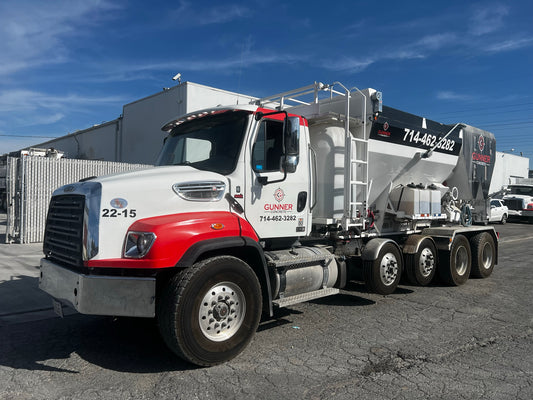

Concrete Mixer Trucks: An In-Depth Guide
Concrete mixer trucks are the backbone of efficient construction operations, delivering the right mix exactly where and when you need it. Whether you're running a residential concrete business or managing commercial projects, choosing the right mixer truck impacts your productivity, operating costs, and bottom line. At BIC Auctions, we specialize in connecting buyers with quality used concrete mixer trucks that maximize value without sacrificing performance.
Understanding Concrete Mixer Truck Types
Finding the right concrete mixer truck for sale can be pivotal for your construction projects. Each type of mixer truck offers unique features tailored to different mixing and transportation needs, from high-volume ready-mix operations to remote jobsite flexibility.
Standard Transit Mixers
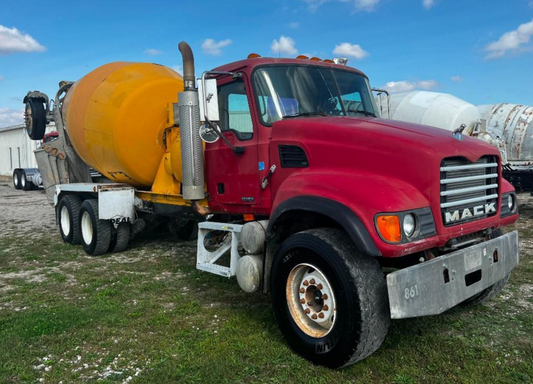
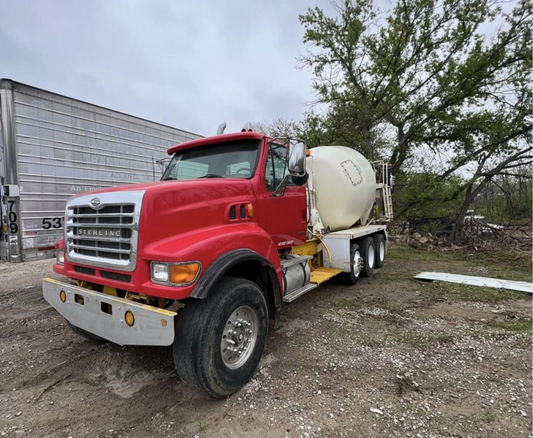
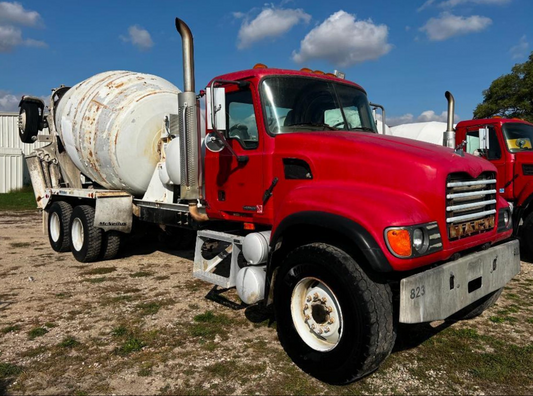
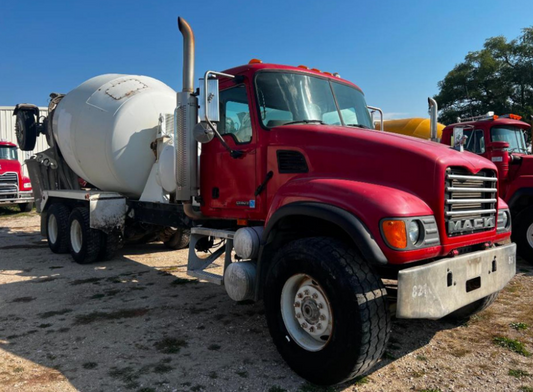
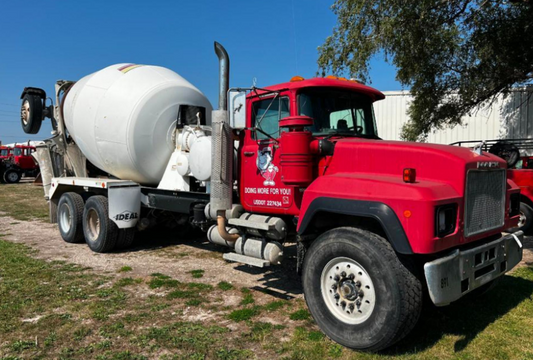
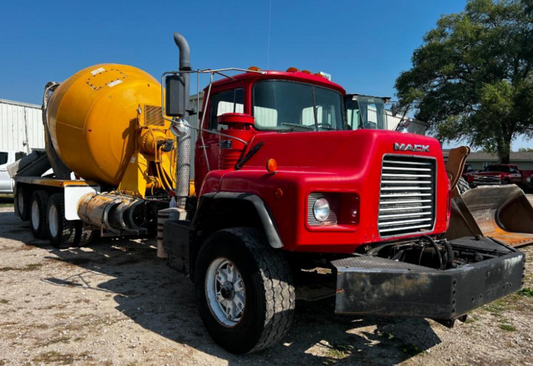
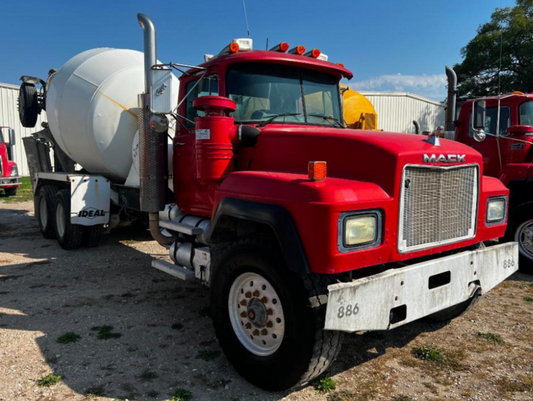
Standard transit mixers (also called ready-mix trucks or cement trucks) are the industry workhorse for high-volume concrete delivery to accessible sites. These rotating drum mixers maintain concrete workability during transport through continuous rotation powered by a PTO (Power Take-Off) system connected to the truck's transmission. Available in capacities from 6 to 12 yards, they're ideal for established operations with batching plants and predictable delivery routes. The drum keeps concrete fresh for 90-120 minutes, with discharge controlled through hydraulic chutes that position material precisely where needed.
Volumetric Mixer Trucks
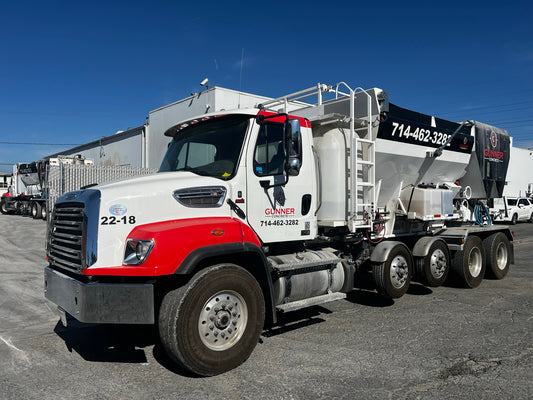
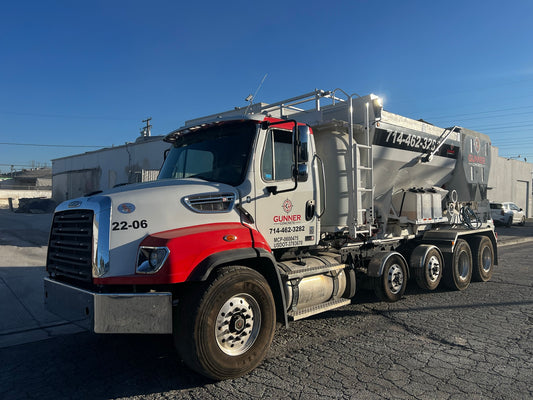
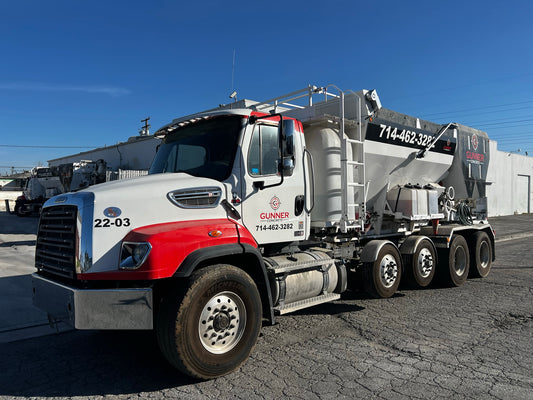
Volumetric mixers revolutionize jobsite flexibility by carrying separate compartments for aggregate, cement, and water—mixing on-site to exact specifications through computer-controlled metering systems. This eliminates waste from over-ordering and allows you to adjust slump and PSI ratings job-to-job. Leading manufacturers like Pro All (P85 and P90 models) and Cementech (C60 and C70 models) dominate this segment with 8-12 yard capacities. You only pay for the concrete you actually use, making these units especially cost-effective for residential contractors handling variable pour sizes.
Self-Loading Mixer Trucks
Self-loading mixers combine a front-end loader with a mobile mixing drum, creating a complete concrete operation on wheels. Brands like Merlo (DBM series) offer self-loading capabilities ideal for remote sites without ready-mix plant access. These versatile units load raw materials, mix to specification, transport, and discharge—eliminating dependency on batching plants entirely. For independent contractors working remote residential developments or rural construction projects, self-loading mixers provide unmatched operational independence.
Rough Terrain Mixers
Rough terrain mixers feature enhanced ground clearance, all-wheel drive configurations, and reinforced suspension systems designed for challenging environments and off-road conditions. When your jobsite isn't accessible by standard road—whether due to mud, steep grades, or unpaved access—these specialized units ensure concrete delivery where conventional trucks simply can't go.
Key Specifications Every Buyer Should Know
Drum Capacity & Yardage
Mixer trucks range from compact 3-yard units to large 12-yard capacities. Your ideal size depends on typical pour volumes, delivery distances, and jobsite access constraints. Residential contractors often find 6-8 yard units provide the best balance of capacity and maneuverability for driveways, foundations, and flatwork. Commercial operations benefit from 10-12 yard drums that minimize trips on large-scale projects like parking structures and tilt-wall buildings. Remember that larger drums mean fewer trips but require wider turning radius and more maneuvering space on tight jobsites.
Mixer Discharge Systems
Most mixers feature rear discharge as the standard configuration, with hydraulic chutes that extend and position material flow. Front discharge models offer better driver visibility and work particularly well in tight urban sites or when pouring against obstacles. Bi-directional systems provide maximum flexibility for varied applications, though they command premium pricing in the used equipment market.
What to Look for When Buying Used Concrete Mixer Trucks
Smart buyers know that condition matters more than age alone. Based on data from the numerous mixer trucks sold through our platform, here's what truly determines value and longevity.
Drum Condition Assessment
A thorough drum inspection is critical to avoiding costly surprises. Examine the mixing fins (blades) for excessive wear—worn fins reduce mixing efficiency and concrete quality. Check for hardened concrete buildup, sometimes called "dead load," which reduces actual capacity and increases fuel consumption. Look for minimal rust and smooth rotation throughout the drum's range of motion. Pay special attention to welds and the drum ring gear, as cracks in these high-stress areas can lead to catastrophic failure. A well-maintained drum shows consistent thickness without deep pitting or corrosion patterns.
Mixer Truck Chassis & Frame Inspection
Inspect the frame rails for cracks, previous repairs, or signs of overloading stress. Concrete operations put extreme stress on chassis components, so thorough inspection pays dividends. Assess suspension wear, spring condition, and steering alignment—uneven tire wear indicates alignment or suspension issues. Evaluate the brake system thoroughly, including air lines, chambers, and drum or rotor condition. Check for signs of rust or corrosion on the frame, particularly in areas exposed to concrete washout or road salt.
How Much Do Concrete Mixer Trucks Cost?
The average lifespan of a well-maintained concrete mixer truck is typically between 10 to 15 years, or approximately 250,000 to 500,000 miles, making them a significant but worthwhile investment. Understanding pricing helps you budget appropriately and recognize value when you see it.
New concrete mixer trucks range from $150,000 to over $250,000 depending on chassis brand, drum capacity, and equipment specifications. Quality used models available through BIC Auctions typically range from $30,000 to $120,000 depending on age, condition, and features. Several key factors influence final pricing: drum capacity (8-yard units cost less than 12-yard), chassis brand reputation (Mack and Peterbilt command premium pricing but hold value exceptionally well), total engine hours and maintenance history, and overall drum and hydraulic system condition. Low-hour, fleet-maintained units from major ready-mix operations often represent excellent value, combining gentle use with meticulous maintenance records.
Leading Chassis Brands You Can Trust
From our experience selling concrete construction equipment for over 35 years, certain chassis brands consistently deliver superior performance and value retention.
Mack Trucks
Mack's Granite series (particularly the GU713 and GU813 models) dominates concrete mixer applications with proven durability and excellent resale value. Known for rugged construction and low cost of ownership, Mack chassis are highly respected for their ease of operation and parts availability nationwide. The Granite's robust frame rails and proven drivetrain make it a favorite among contractors who prioritize long-term reliability over initial purchase price.
Peterbilt
Peterbilt's 567 and 579 models offer superior driver comfort and fuel efficiency with premium build quality. Recognized for quality and innovation, Kenworth's vehicles are designed with driver comfort in mind, without compromising on performance and productivity. While initial investment runs higher, these trucks deliver strong long-term reliability that owner-operators and quality-focused fleets appreciate. The advanced engine technology and ergonomic cab design make Peterbilt ideal for operations where driver retention matters.
Freightliner
Freightliner's 108SD and 114SD models provide excellent value for money with widespread dealer support across North America. These workhorses deliver reliable performance at competitive pricing, making them ideal for cost-conscious buyers who need dependable daily operation. The extensive service network means parts and qualified technicians are readily available, reducing downtime.
Kenworth
The Kenworth T880 is renowned for driver-focused engineering and industry-leading cab comfort. These vehicles excel in long-haul concrete delivery operations where driver satisfaction directly impacts productivity and retention. Kenworth's reputation for quality construction and thoughtful design details makes them a premium choice for owner-operators.
Western Star
Western Star trucks are purpose-built for vocational applications like concrete delivery, excelling in demanding environments with robust frames and powerful drivetrains. Their mixer chassis feature reinforced components designed specifically for the constant weight and vibration of concrete operations.
International Trucks
International offers a wide range of trucking solutions celebrated for their versatility and adaptability to various construction needs. Their mixer chassis provide solid value with good parts availability and serviceable designs that fleet mechanics appreciate.
Caterpillar
Known for robust construction machinery, Caterpillar mixer trucks are durable and reliable. Their vehicles are designed for heavy-duty performance and long life spans, with engines renowned for exceptional reliability in demanding applications.
Volvo
With a focus on efficiency and environmental sustainability, Volvo's mixer trucks are well-regarded for their advanced engine technology and fuel-saving capabilities. These chassis excel in operations where diesel fuel costs represent a significant operational expense.
Volumetric Mixer Manufacturers
The volumetric mixing segment requires specialized expertise—these manufacturers lead the industry in precision metering and mixing technology.
- Pro All: Industry-leading volumetric mixers known for precision metering and reliability. The P85 and P90 models (8-12 cubic yards) are workhorses in the mobile mixing segment, with extensive dealer networks providing parts and service support nationwide.
- Cementech: Innovative designs with user-friendly computer controls and excellent support networks. Their C60 and C70 models (6-10 cubic yards) deliver consistent, high-quality output with intuitive operation that reduces operator training time.
Modern Truck Technology & Features
Today's concrete mixer trucks integrate advanced technology that improves operational efficiency and reduces costs. When evaluating used equipment, these features add measurable value:
- GPS Tracking & Fleet Management: Integrated telematics allow real-time monitoring of location, fuel consumption, and engine diagnostics to optimize routes and schedule preventative maintenance
- Automated Water Metering: Computer-controlled water addition ensures consistent slump and mix quality, reducing callbacks and material waste
- Electronic Drum Rotation Controls: Precise digital control of drum speed improves mix quality and reduces mechanical wear
- Load Monitoring Systems: Weight sensors and capacity alerts prevent overloading and ensure legal compliance
- Rear-View Cameras & Safety Systems: Proximity sensors and cameras reduce accidents and insurance claims
Matching Mixer Equipment to Your Specific Operation
For Residential Contractors: Volumetric mixers in the 8-10 yard range offer the flexibility residential work demands, eliminating waste on varying pour sizes from driveways to foundations. Self-loading units work exceptionally well for remote residential developments or custom home sites where ready-mix delivery isn't economical. A 6x4 chassis configuration provides the maneuverability residential jobsites require, and reduced concrete waste directly increases your profitability per job.
For Commercial Operations: Standard transit mixers with 10-12 yard capacities on tri-axle or quad-axle configurations maximize efficiency on high-volume commercial projects. Multiple units enable continuous delivery schedules for large pours, minimizing contractor downtime and maximizing your daily revenue potential. The investment in larger capacity pays off quickly when handling parking structures, tilt-wall buildings, and infrastructure projects.
For Mixed Operations: Consider a fleet approach that combines a volumetric mixer for flexibility on smaller residential jobs with a larger transit mixer for volume efficiency on commercial pours. This diversified capability ensures your equipment matches each job's requirements, maximizing utilization rates across your entire operation and reducing idle equipment costs.
Find Your Perfect Concrete Mixer Truck
At BIC Auctions, we bring you an extensive selection of quality used concrete mixer trucks from industry-leading manufacturers. With over 35 years in the concrete construction equipment industry, our family-owned business provides more than just listings—we offer expertise you can trust. Whether you're seeking cutting-edge volumetric technology or reliable transit mixers, we have the right equipment to elevate your construction operation.
Every mixer truck in our inventory receives detailed condition documentation with honest assessments you can rely on for confident purchasing decisions. Our flexible buying options—auctions, negotiated sales, and brokered transactions—meet you wherever you are in the buying process.
Frequently Asked Questions About Concrete Mixer Trucks
How much does a concrete mixer truck cost?
New concrete mixer trucks range from $150,000 to over $250,000 depending on specifications, while quality used models through BIC Auctions typically range from $30,000 to $120,000 based on age, hours, and condition.
What is the average lifespan of a concrete mixer truck?
The average lifespan of a well-maintained concrete mixer truck is typically between 10 to 15 years, or approximately 250,000 to 500,000 miles. Regular maintenance, climate conditions, and proper operation significantly impact longevity.
What should I look for when buying a used concrete mixer truck?
Focus on four critical areas: drum condition (check for wear, buildup, and blade condition), hydraulic system health (test for leaks and smooth operation), complete maintenance history (consistent service matters more than low hours), and chassis condition (inspect frame, suspension, and engine thoroughly).
What's the difference between a transit mixer and a volumetric mixer?
Transit mixers carry pre-batched concrete from a plant and rotate it during transport, ideal for high-volume delivery. Volumetric mixers carry separate raw materials and mix on-site to exact specifications, offering flexibility and eliminating waste from over-ordering.
Which chassis brand holds its value best?
Based on thousands of transactions through our platform, Mack Granite and Peterbilt 567 chassis consistently hold their value exceptionally well due to proven reliability, strong dealer networks, and high demand in the used equipment market.
How many yards of concrete can a mixer truck hold?
Concrete mixer trucks typically range from 6 to 12 yards capacity, with 8-10 yards being most common. Volumetric mixers often range from 8-12 yards, while transit mixers can reach 12 yards on quad-axle configurations.
Related Categories: Concrete Pumps | Knuckle Boom Crane Trucks | Truck Mounted Conveyor Belts